
 By
By Oil prices surged more than 3% on Thursday after Iran’s supreme leader ordered that enriched uranium must remain inside the country, a move seen as complicating fragile peace talks with the US.
The directive heightened geopolitical uncertainty, keeping crude markets volatile as supply disruptions through the Strait of Hormuz persist.
Prices jump on nuclear standoff
US crude futures rose 4.1% to $102.35 per barrel, while international benchmark Brent advanced about 3.7% to $108.93.
The rally followed reports from Reuters that Ayatollah Mojtaba Khamenei had instructed Iran’s leadership not to ship enriched uranium abroad, a position that directly challenges US demands for dismantling Tehran’s nuclear program.
US President Donald Trump has repeatedly said that curbing Iran’s nuclear ambitions is a central objective of the ongoing conflict.
Earlier this week, he paused imminent airstrikes at the request of Gulf Arab allies, citing a desire to give diplomacy more time.
But on Wednesday, Trump warned that military action could resume if Iran fails to provide what he called “100% good answers” in negotiations.
“We’re all ready to go,” Trump told reporters at Joint Base Andrews, adding that he was willing to wait a few more days to avoid unnecessary casualties.
Strait of Hormuz blockade
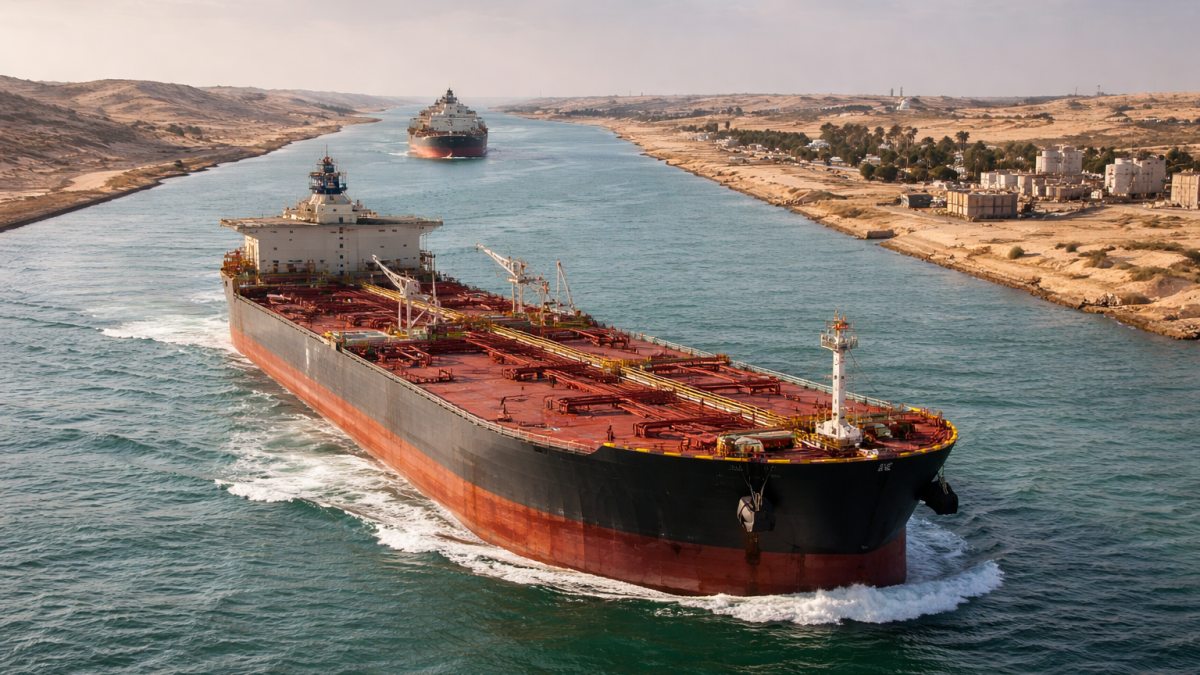
Meanwhile, shipping traffic through the Strait of Hormuz remains severely disrupted.
The narrow waterway, through which roughly 20% of global oil flows, has been blockaded by Iran since the outbreak of hostilities.
Tanker movements have slowed to a trickle, leaving refiners and traders scrambling for alternative supplies.
The International Energy Agency (IEA) warned Thursday that the oil market could enter a “red zone” this summer if Hormuz does not reopen.
IEA chief Fatih Birol cautioned that global stockpiles are depleting rapidly and could be exhausted within weeks as seasonal demand rises.
“The cushion is thin, and the risks are high,” Birol said, underscoring the urgency of restoring safe passage through the Gulf.
Diplomatic stalemate
Since agreeing to a fragile ceasefire last month, Washington and Tehran have made little progress toward a comprehensive deal.
Iran’s refusal to export enriched uranium is viewed as a major obstacle, raising doubts about whether negotiations can succeed.
Analysts say the standoff increases the likelihood of prolonged volatility in energy markets, with prices swinging sharply on every diplomatic headline.
Trump’s balancing act—threatening military action while signaling openness to diplomacy—has left traders uncertain about the near-term trajectory of oil.
The president’s comments that waiting “a couple of days” could save lives offered temporary relief, but the lack of concrete progress has kept risk premiums elevated.
Market outlook
For now, crude prices remain supported by geopolitical risk and tightening fundamentals.
Brent’s climb back above $108 highlights the market’s sensitivity to developments in the Gulf, while WTI’s push past $101 reflects concerns about US inventory drawdowns.
Analysts expect volatility to persist as negotiations unfold.
A breakthrough could ease supply fears and push prices lower, but any collapse in talks—or renewed military action—would likely send futures sharply higher.
With inventories thinning and Hormuz still blocked, the balance of risks leans toward continued strength in crude.
The post Oil spikes over 3% as Iran nuclear standoff threatens supply from Hormuz appeared first on Invezz
